February 24, 2026
Workplace environments have evolved significantly over the years, with increasing attention placed on employee well-being, compliance standards, and operational efficiency. One of the most impactful changes across industries has been the integration of modern safety equipment into daily tasks. From construction sites to warehouses and manufacturing floors, the right protective tools do more than prevent injuries—they fundamentally transform how people approach their work.
According to The National Library of Medicine, about 60% of workers use PPE during work. While that number reflects widespread adoption, it also highlights room for improvement in safety culture and implementation. When businesses fully commit to incorporating high-quality safety equipment into every workflow, they often experience measurable improvements in productivity, morale, and long-term cost control. Here are some ways safety equipment can change the way you work.
Improving Confidence on the Job
Confidence plays a major role in workplace performance, especially in physically demanding or high-risk environments. When employees are properly equipped with helmets, gloves, eye protection, harnesses, and other essential safety equipment, they can focus on completing tasks without unnecessary anxiety. This mental assurance allows workers to concentrate on precision, speed, and collaboration rather than worrying about potential hazards.
Providing reliable safety equipment demonstrates that an organization values its team members. Workers who feel protected are more likely to take initiative and perform tasks efficiently. Over time, this sense of security creates a stronger, more proactive workforce that approaches challenges with greater assurance.
In addition, proper protective gear encourages consistency in performance. Employees who feel physically safe are less likely to hesitate during routine tasks. This translates into smoother operations and fewer interruptions caused by fear or uncertainty.
Reducing Workplace Injuries and Downtime
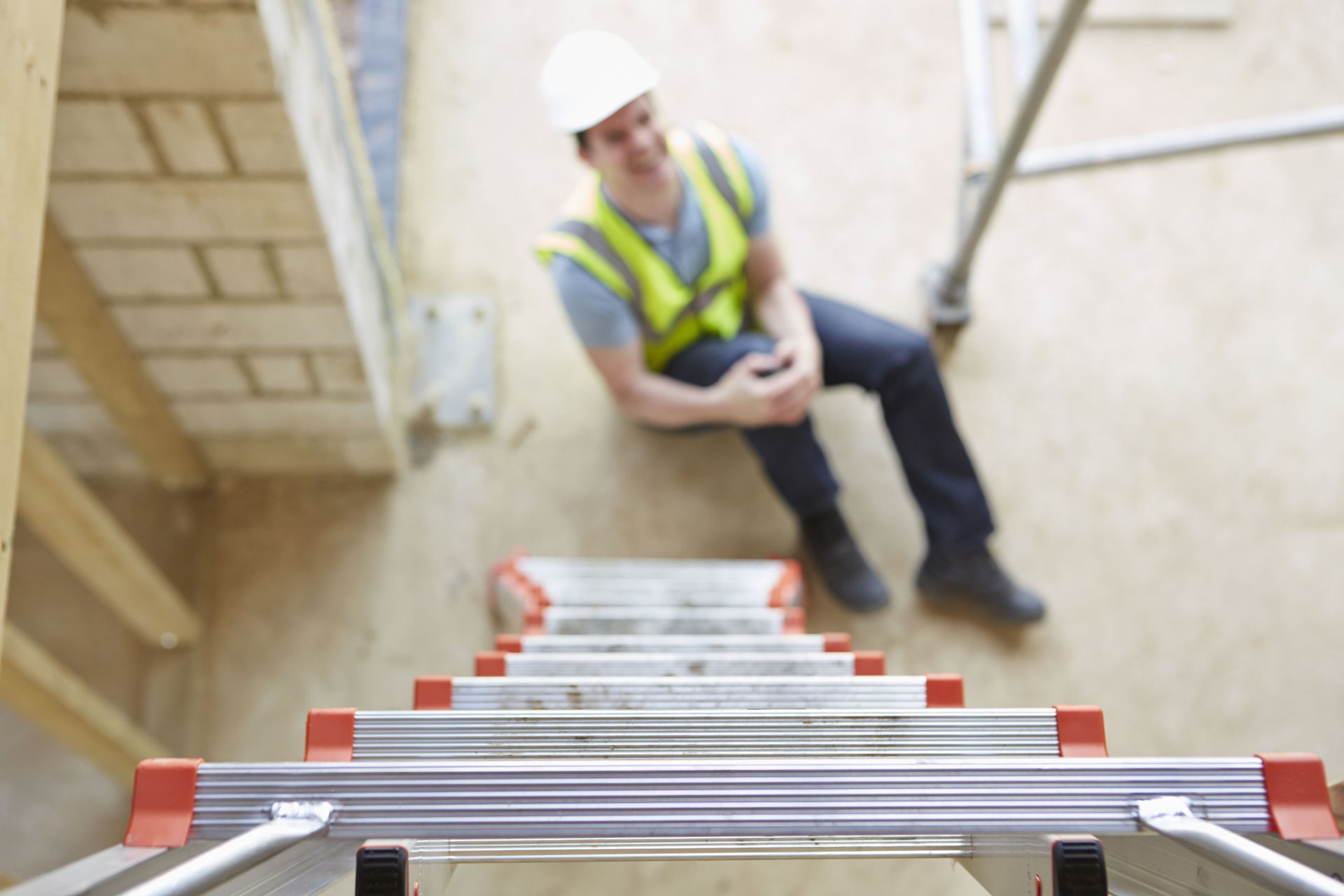
One of the most obvious ways safety equipment changes the way you work is by reducing injuries. Slips, falls, burns, and exposure to harmful materials can lead to serious consequences if proper protection is not in place. High-quality protective gear minimizes these risks and significantly decreases the likelihood of accidents.
Fewer injuries mean fewer work stoppages and less unplanned downtime. When employees are sidelined due to preventable incidents, productivity suffers and projects may fall behind schedule. By investing in appropriate safety equipment, businesses create a more stable workflow with fewer disruptions.
Lower injury rates also contribute to reduced insurance claims and workers’ compensation costs. Over time, the financial savings from accident prevention often outweigh the initial investment in protective gear. This makes safety equipment not only a moral responsibility but also a strategic business decision.
Increasing Productivity Through Better Design
Modern safety equipment is designed with both protection and functionality in mind. Advances in materials and ergonomics have made protective gear lighter, more flexible, and more comfortable to wear throughout long shifts. When equipment fits properly and allows for ease of movement, workers can perform tasks more efficiently.
For example, improved gloves provide grip and dexterity without sacrificing protection. Advanced eye protection reduces glare and improves visibility, allowing employees to maintain focus in bright or hazardous environments. These small enhancements can significantly increase overall productivity.
When safety equipment integrates seamlessly into daily routines, it becomes a natural extension of the worker rather than a hindrance. This shift in design philosophy encourages consistent usage and supports a smoother, more effective workflow.
Strengthening Compliance and Professional Standards
Regulatory compliance is a critical concern for businesses across industries. Occupational safety standards require employers to provide adequate protective measures in environments where hazards are present. Implementing appropriate safety equipment ensures organizations meet these requirements and avoid costly penalties.
Beyond compliance, visible safety measures elevate professional standards. Clients, inspectors, and business partners often view a well-equipped workforce as a sign of operational excellence. Clean, organized safety equipment usage reinforces a company’s commitment to responsibility and accountability.
This professional image can directly influence business opportunities. Organizations known for maintaining strict safety protocols are often preferred partners in large-scale projects. A reputation for safety builds trust and enhances credibility within competitive markets.
Enhancing Workplace Morale and Culture
Safety is deeply connected to company culture. When employers consistently provide and maintain high-quality safety equipment, employees recognize that their well-being is a priority. This fosters a culture of mutual respect and shared responsibility.
Teams that operate in safe environments tend to communicate more effectively and support one another. Workers are more likely to report potential hazards and suggest improvements when they feel their concerns will be taken seriously. This open dialogue strengthens collaboration and accountability.
A strong safety culture also improves employee retention. Individuals are more inclined to remain with companies that demonstrate consistent care for their physical health. Over time, this stability contributes to stronger team cohesion and institutional knowledge.
Adapting to Changing Work Environments
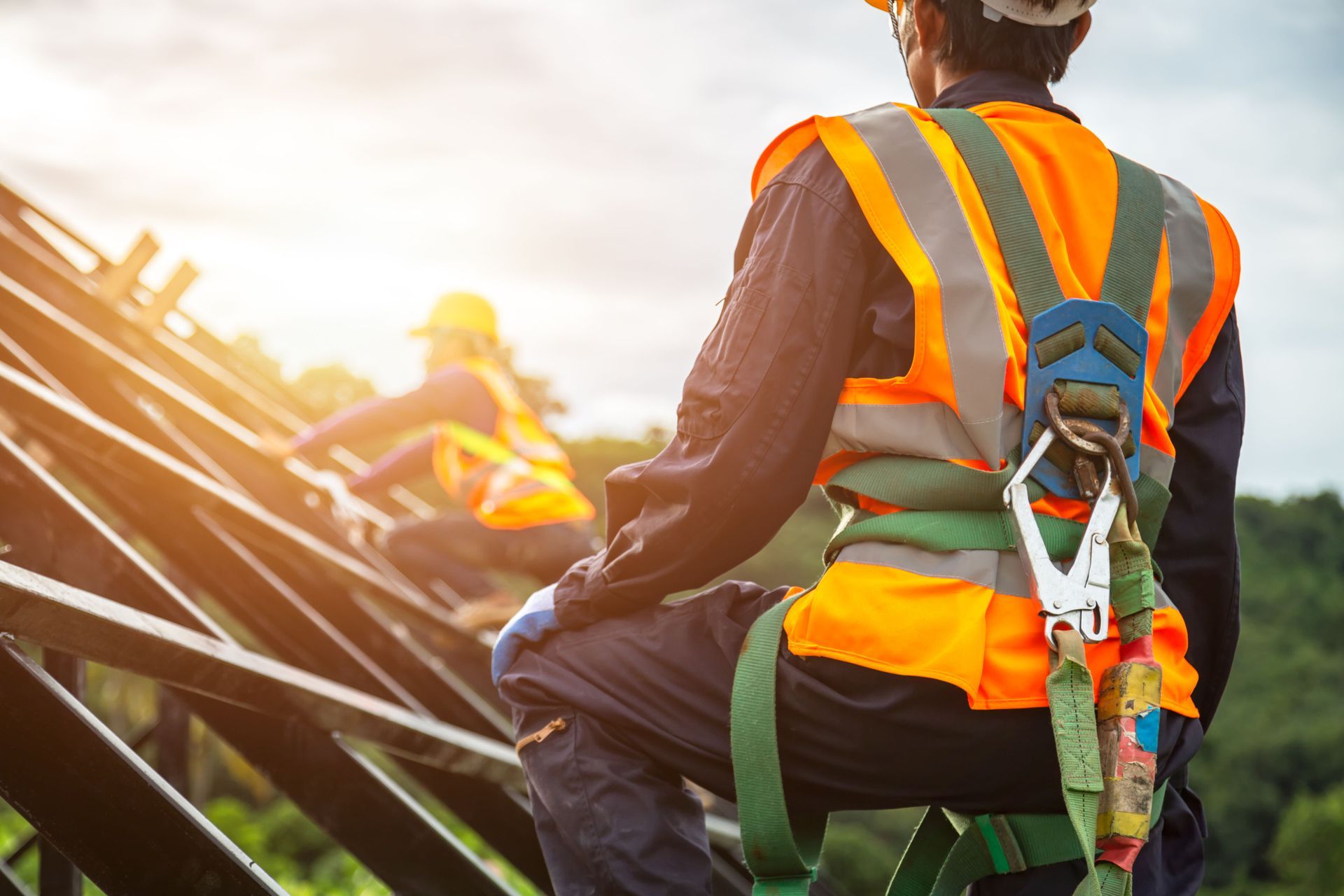
Workplaces are not static, and evolving technologies and processes introduce new risks. As industries innovate, safety equipment must evolve alongside them. Advanced respiratory protection, improved fall arrest systems, and enhanced chemical-resistant materials help businesses adapt to new operational challenges.
Flexible and specialized safety equipment allows organizations to expand services or adopt new machinery with confidence. Instead of limiting growth due to safety concerns, companies can implement protective solutions that support innovation. This adaptability creates opportunities for long-term expansion.
Staying ahead of safety requirements also prepares businesses for future regulatory updates. Proactively upgrading equipment ensures readiness for inspections and emerging industry standards. This forward-thinking approach positions companies as leaders in their fields.
Supporting Long-Term Employee Health
Not all workplace hazards cause immediate injuries. Prolonged exposure to noise, airborne particles, or repetitive strain can lead to chronic health issues over time. Quality safety equipment plays a crucial role in preventing these long-term effects.
Hearing protection reduces the risk of permanent hearing damage in loud environments. Respirators limit exposure to harmful dust and chemicals that could impact respiratory health. Properly designed support gear minimizes strain on joints and muscles during physically demanding tasks.
By protecting workers from cumulative harm, organizations contribute to healthier careers and improved quality of life. Employees who feel physically supported are more likely to maintain consistent attendance and performance. This commitment to long-term well-being strengthens workforce sustainability.
Encouraging Accountability and Responsibility
The presence of safety equipment encourages accountability at every level of an organization. When protective gear is readily available and clearly required, employees understand that safety is a shared obligation. This expectation promotes careful behavior and adherence to established procedures.
Managers and supervisors also benefit from clearly defined safety protocols. Consistent equipment usage simplifies training and performance evaluations. Clear standards reduce ambiguity and help teams maintain alignment.
Over time, accountability becomes embedded in the workplace culture. Employees begin to view safety not as an obstacle but as a fundamental component of professionalism. This mindset shift positively influences how work is performed across departments.
Ultimately, safety equipment does far more than shield workers from harm—it reshapes how tasks are approached, how teams collaborate, and how businesses grow. By investing in high-quality protective solutions, organizations reduce risk, enhance productivity, and foster a culture built on trust and responsibility.
Cypress Supply provides dependable safety equipment designed to support safer, more efficient workplaces. Contact the team today to find the right solutions for your operation. If you're ready to learn more about our safety equipment, you'll be happy to hear that our team is standing by to answer any questions you may have about our products. We look forward to working with you soon!