March 24, 2026
In the fast-paced world of construction, ensuring the safety of workers is paramount. With evolving industry expectations, it's important for construction companies to regularly evaluate their construction safety equipment. The use of outdated gear can increase risk on the job-site and lead to preventable incidents. This article explores key indicators that construction safety equipment may no longer be meeting current requirements, helping businesses take proactive steps toward maintaining safer working conditions.
Construction work involves a wide range of hazards, and safety expectations continue to evolve alongside changes in materials, equipment, and job-site demands. Gear that once performed reliably may lose effectiveness over time due to wear, environmental exposure, or changing standards. Staying aware of these changes allows companies to better protect their workforce while maintaining operational efficiency.
According to IBISWorld, the market size of the safety equipment and supplies distributors industry in the United States is $24.2 billion in 2025. This highlights the scale and importance of maintaining reliable construction safety equipment across a wide range of industries. As demand grows, so does the need for consistent evaluation and proper equipment selection. Keeping pace with these expectations supports both safety outcomes and operational efficiency.
1. They're Missing Reliable Alignment of Safety Requirements
Ensuring that construction safety equipment aligns with current industry requirements is a fundamental responsibility for any construction or industrial operation. Over time, expectations for safety performance evolve, and equipment that once met job-site needs may no longer provide adequate protection. Regularly reviewing your existing gear against updated safety guidelines helps reduce risk and maintain a safer working environment.
When evaluating equipment, it is important to consider product specifications, manufacturer guidance, and the conditions in which the gear is used. Safety equipment should be appropriate for the hazards present on the job-site and used as intended. Keeping equipment up to date and suitable for its environment supports both worker safety and consistent day-to-day operations.
Identify Visible Wear and Tear on Equipment
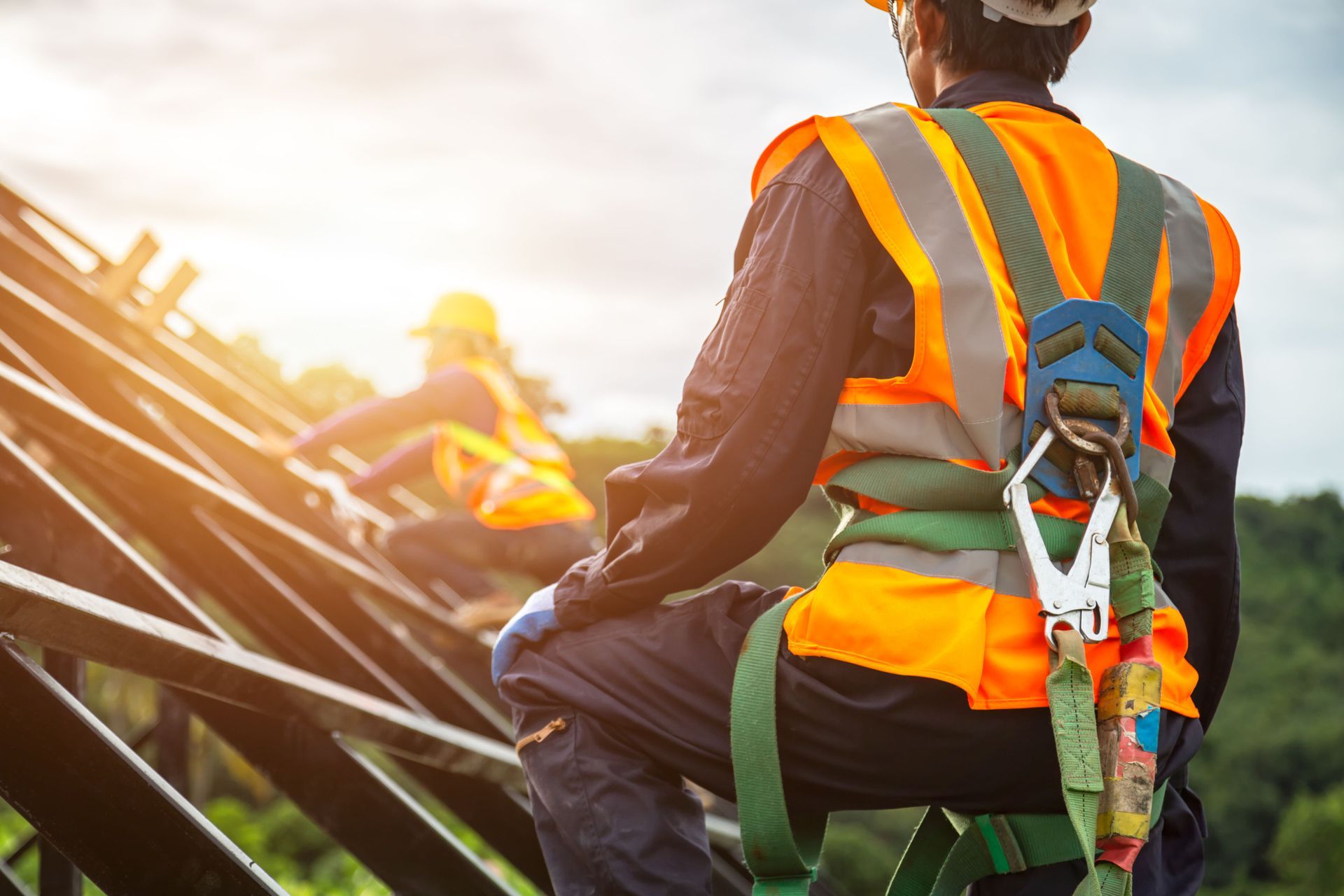
Visible wear and tear on safety equipment is one of the most immediate signs that it may no longer be meeting job-site requirements. Protective gear, such as helmets, gloves, and harnesses, is exposed to frequent use and harsh conditions, which can lead to gradual deterioration. Regular inspections can help identify cracks, fraying, fading, or other signs of damage that may compromise effectiveness.
Understanding the expected lifespan of safety equipment is also important. Some materials are designed for extended use, while others require more frequent replacement depending on usage and exposure. Ignoring signs of wear can increase the likelihood of equipment failure, which may result in avoidable safety risks and operational disruptions.
Establishing a consistent inspection and maintenance routine allows teams to track equipment condition and plan replacements as needed. Keeping accurate records of inspections and usage can help ensure that equipment remains reliable and ready for use. Taking a proactive approach to maintenance supports both safety and productivity on the job-site.
2. They Don't Practice Modern Use of Equipment
Modern construction safety equipment is designed to improve durability, comfort, and reliability in demanding work environments. Advances in materials and product design have led to protective gear that is better suited to the challenges of active job sites. If existing equipment feels outdated, difficult to use, or no longer performs consistently, it may be time to consider updated options.
Up-to-date safety gear should match the specific needs of the work being performed. Whether that includes fall protection, high-visibility apparel, or hand and eye protection, selecting equipment designed for the task helps reduce unnecessary risk. Reliable equipment that fits properly and performs as expected allows workers to stay focused on their responsibilities.
Regularly reassessing the effectiveness of construction safety equipment ensures that it continues to meet the demands of the job. Making thoughtful updates based on current conditions can improve both safety outcomes and overall efficiency without introducing unnecessary complexity.
3. They Don't Understand the Valuable Role of Worker Feedback
All in all, worker feedback is an important factor in evaluating the effectiveness of construction safety equipment. Employees who use the gear daily are often the first to notice issues related to comfort, durability, or performance. Gathering input from workers provides valuable insight into how well equipment is functioning in real-world conditions.
Common concerns such as discomfort, restricted movement, or lack of durability can indicate that equipment is not meeting expectations. Addressing these concerns helps improve both safety and usability, making it easier for workers to consistently use protective gear as intended. Ignoring feedback can lead to reduced compliance and increased risk over time.
Encouraging open communication about safety equipment supports a stronger safety culture. When workers feel their input is valued, they are more likely to engage in safety practices and contribute to ongoing improvements. This collaborative approach helps align equipment choices with actual job-site needs.
4. They Don't Take Safety Culture Seriously
Safety equipment plays a key role in reinforcing a company's overall approach to workplace safety. When equipment is outdated, inconsistent, or poorly maintained, it can undermine efforts to create a safety-focused environment. A strong safety culture depends on having reliable tools and protective gear that reflect a commitment to worker well-being.
Providing appropriate equipment is only one part of the process. Ensuring that workers understand how to properly use and maintain that equipment is equally important. Clear expectations, consistent practices, and access to dependable gear all contribute to a safer and more organized job-site.
When construction safety equipment aligns with company standards and job-site conditions, it becomes a practical extension of broader safety efforts. Maintaining that alignment helps reduce incidents and supports a more consistent approach to risk management across all operations. It also helps ensure that workers can rely on their equipment in a variety of situations without hesitation. Consistency in equipment performance reinforces safe habits and daily routines. Over time, this alignment supports a more structured and dependable work environment.
5. They Don't Practice Efficient Management of Resources
Outdated safety equipment can lead to inefficiencies that affect both safety and productivity. Equipment that requires frequent repairs or replacement can disrupt workflows and create unnecessary downtime. In some cases, older gear may not perform as reliably, increasing the likelihood of delays or complications on the job-site.
Evaluating the condition and performance of safety equipment on a regular basis helps identify where updates are needed. Prioritizing replacements based on usage, condition, and risk exposure allows businesses to allocate resources more effectively. This approach supports better decision-making while maintaining safe working conditions.
Taking a proactive approach to equipment updates can help reduce long-term costs associated with failures or interruptions. By focusing on durability and reliability, companies can support both operational efficiency and worker safety without overextending resources. This approach also helps minimize unexpected downtime that can delay project timelines and disrupt workflow continuity. Consistent updates ensure that equipment performs as expected under demanding conditions. Over time, this level of planning contributes to more stable operations and improved overall job-site performance.
Recognizing when construction safety equipment no longer meets current expectations is essential for maintaining a safe and efficient job-site. From signs of wear to feedback from workers and overall performance concerns, these indicators help identify where updates may be needed. Taking a proactive approach to evaluating and replacing equipment supports smoother operations and reduces avoidable risks. Partnering with Cypress Supply ensures access to dependable construction materials, industrial tools, and safety gear designed to meet the demands of modern worksites. To explore available solutions and keep your job-site properly equipped, learn more about our products and support.